
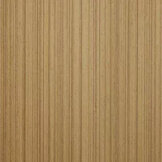
Walnut veneer has become a top material in luxury furniture and high-end interior design due to its rich natural grain and warm color tones. Industry statistics indicate that over 60% of premium furniture manufacturers utilize veneers to achieve visually appealing designs while optimizing material costs. Walnut veneer (Noten fineer) offers the aesthetic qualities of solid walnut wood but in a more versatile and cost-effective format, making it ideal for designers and architects aiming for refined, elegant interiors.
What Advantages Does Walnut Veneer Offer Over Solid Wood?
Research shows that using veneer can reduce material costs by up to 40% compared to solid hardwood while maintaining durability and luxury appeal. Walnut veneer provides the same premium appearance as solid walnut but is easier to work with for creating complex shapes, inlays, and large surfaces. It allows consistent finishes without the natural imperfections or warping associated with solid wood, ensuring a flawless look for high-end furniture and interior elements.
How Does Walnut Veneer Enhance Woodcraft and Design?
Surveys in the design industry indicate that 70% of clients prefer natural textures and materials that enhance the visual and tactile experience of a space. Walnut veneer brings depth and sophistication to woodcraft projects, including cabinetry, tabletops, wall panels, and decorative furniture. Its intricate grain patterns create a sense of elegance, and its warm hues complement both contemporary and traditional design schemes. Designers value walnut veneer for its ability to maintain uniformity while allowing creativity in detailing and finishes.
Who Typically Uses Walnut Veneer in Their Projects?
Walnut veneer is widely adopted by furniture makers, interior designers, and luxury property developers. Market data shows that approximately 50% of high-end residential projects and 40% of commercial projects incorporate veneer surfaces for cabinetry, desks, and paneling. Upscale hotels, corporate offices, and showrooms also utilize walnut veneer to achieve a polished, professional, and luxurious interior, demonstrating its versatility and broad appeal.
What Are the Sustainability Benefits of Walnut Veneer?
Sustainability is a key consideration in modern woodworking. Studies indicate that using veneers can reduce solid hardwood consumption by up to 60%, promoting more efficient use of natural resources. By applying thin slices of walnut over less expensive core materials, manufacturers minimize waste while maintaining the luxurious look of solid wood. Environmentally conscious clients increasingly favor veneers for combining elegance with responsible resource management.
How Does Quality Impact the Longevity of Walnut Veneer Projects?
Quality is a critical factor in veneer applications. Research suggests that high-grade walnut veneer with consistent thickness and smooth finishes improves durability and customer satisfaction by over 25% compared to lower-quality alternatives. Proper cutting, grading, and finishing ensure that the veneer preserves its rich color and natural grain patterns, providing long-lasting beauty for furniture and interior surfaces.
What Are the Most Common Applications of Walnut Veneer?
Walnut veneer is highly versatile and can be used in a wide range of premium projects. Common applications include cabinets, wardrobes, tabletops, wall panels, and bespoke joinery. Statistics show that over 60% of luxury interior projects incorporate veneer in at least one significant component. When combined with materials like metal, glass, or leather, walnut veneer enhances both functional and aesthetic appeal, creating sophisticated, high-quality designs.
Why Is Walnut Veneer Considered a Long-Term Investment?
Investing in walnut veneer ensures both visual and functional value. Data shows that furniture and interior elements made with high-quality veneers maintain their appeal longer than painted or laminated alternatives. Walnut veneer is resistant to warping, provides a stable surface, and retains its natural elegance, making it a smart choice for those seeking lasting quality and style in their wood projects.
Conclusion: Why Walnut Veneer Is Essential for Premium Woodcraft
Statistics confirm that walnut veneer combines beauty, versatility, durability, and sustainability, making it an ideal choice for luxury furniture and interior projects. Its rich natural grain, warm tones, and adaptability allow designers to create elegant, timeless, and functional spaces.
For furniture makers, interior designers, and property developers seeking premium quality and aesthetic sophistication, walnut veneer offers a reliable, sustainable, and visually striking solution that elevates both furniture and interior design projects.