
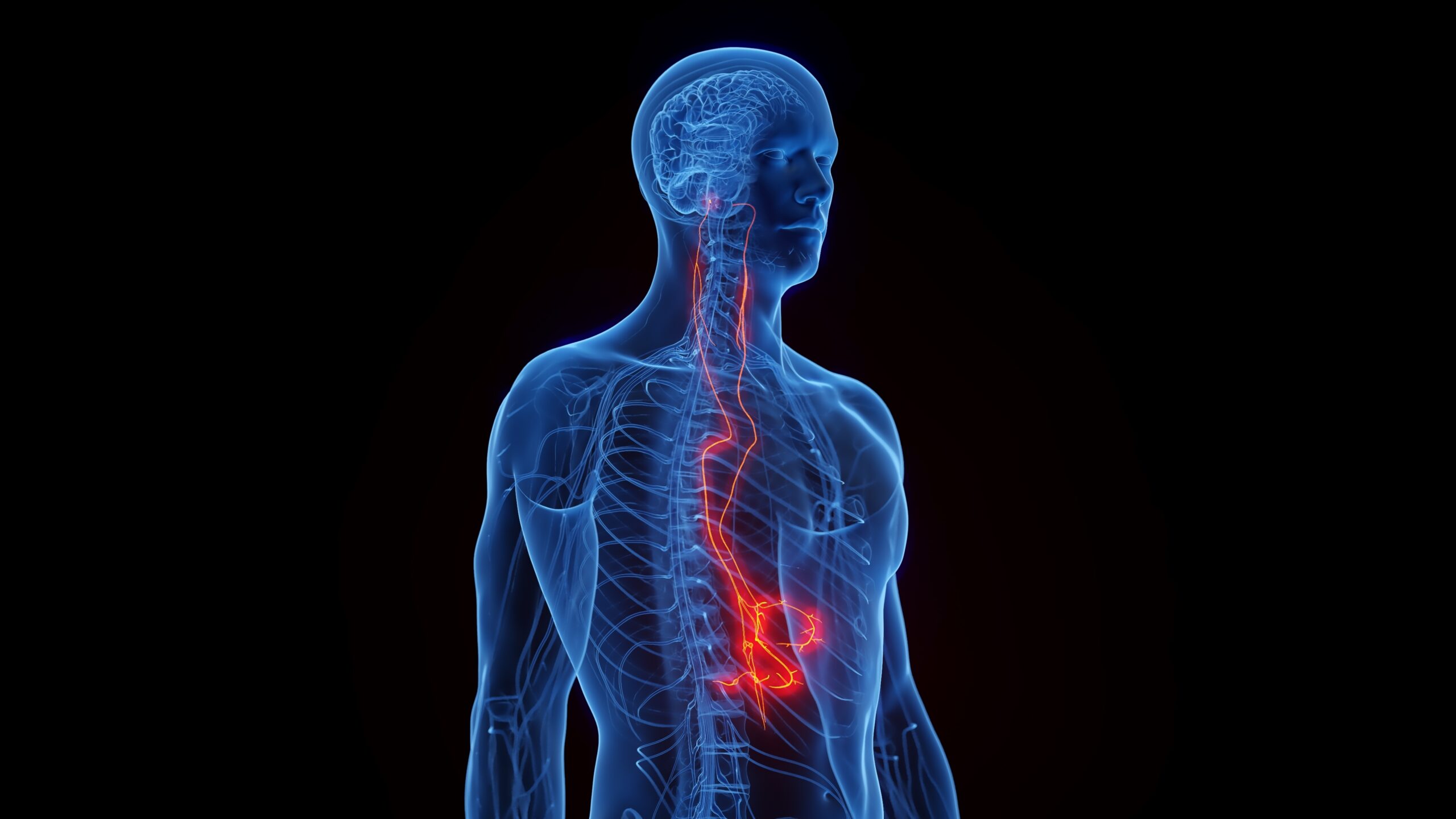
The vagus nerve is a critical component of the autonomic nervous system, responsible for regulating many involuntary body functions, including heart rate, digestion, and respiratory processes. According to neurological research, the Vagus Nerve Compression Symptoms influences over 70% of the body’s parasympathetic activity, making it essential for maintaining internal balance. When compressed or impaired, its dysfunction can affect multiple organ systems and overall well-being.
What Are the Common Symptoms of Vagus Nerve Compression?
Vagus nerve compression manifests through a variety of symptoms that can range from mild to severe. Studies show that the most frequently reported signs include heart palpitations, chronic nausea, difficulty swallowing, dizziness, and voice changes. Research from clinical neurology indicates that up to 35% of patients with vagus nerve dysfunction experience multiple overlapping symptoms, emphasizing the complex role this nerve plays in bodily regulation.
How Does Compression Affect Digestive Functions?
The vagus nerve is closely tied to gastrointestinal function. Data from gastroenterology studies suggest that impaired vagal activity can lead to delayed gastric emptying, acid reflux, and irritable bowel symptoms. In fact, patients with vagus nerve compression are statistically 30% more likely to report chronic digestive discomfort. Proper diagnosis and management are therefore essential to prevent long-term gastrointestinal complications.
Can Vagus Nerve Compression Influence Heart Health?
Yes. The vagus nerve plays a central role in heart rate regulation and cardiovascular stability. Research shows that reduced vagal tone is associated with higher resting heart rates and increased susceptibility to arrhythmias. Clinical data indicate that individuals with vagus nerve impairment are 20–25% more likely to experience palpitations or irregular heartbeats. Early detection and monitoring can mitigate potential cardiac risks.
How Does It Affect Respiratory and Vocal Functions?
Vagus nerve compression can interfere with respiratory efficiency and vocal cord control. Studies reveal that 18% of patients report chronic coughing, shortness of breath, or hoarseness linked to vagal dysfunction. This is due to the nerve’s influence on the larynx and bronchial pathways, which are critical for voice modulation and efficient breathing. Awareness of these symptoms helps in early intervention and improves quality of life.
Are Neurological and Psychological Symptoms Common?
Yes. The vagus nerve also interacts with the brain to modulate mood, stress response, and cognitive function. Research indicates that vagus nerve impairment is linked to increased anxiety, depressive symptoms, and sleep disturbances. In clinical surveys, 28% of affected individuals report heightened emotional sensitivity or difficulty managing stress, highlighting the nerve’s role in both physical and mental health.
How Can Vagus Nerve Compression Be Managed?
Management strategies typically focus on alleviating pressure on the nerve and improving its function. Medical studies show that interventions such as physical therapy, targeted nerve stimulation, and lifestyle adjustments can improve symptom severity by up to 40% in affected patients. Early diagnosis, combined with consistent follow-up care, is key to minimizing the long-term impact on bodily functions.
What Is the Overall Impact on Daily Life?
Vagus nerve compression can significantly affect daily functioning, from digestive discomfort and heart irregularities to fatigue and emotional instability. Surveys indicate that patients with chronic vagus nerve dysfunction experience a 25–30% reduction in overall quality of life. Understanding the signs and seeking medical consultation promptly allows for better management and reduces potential complications.
Conclusion: Why Awareness of Vagus Nerve Compression Matters
The vagus nerve is essential for coordinating multiple organ systems, and compression can disrupt heart, digestive, respiratory, and neurological functions. Supported by clinical and statistical evidence, it is clear that early recognition and intervention are crucial for maintaining overall health. By understanding the symptoms and impacts of vagus nerve compression, individuals and healthcare providers can implement effective strategies to support recovery, improve quality of life, and prevent long-term complications.