
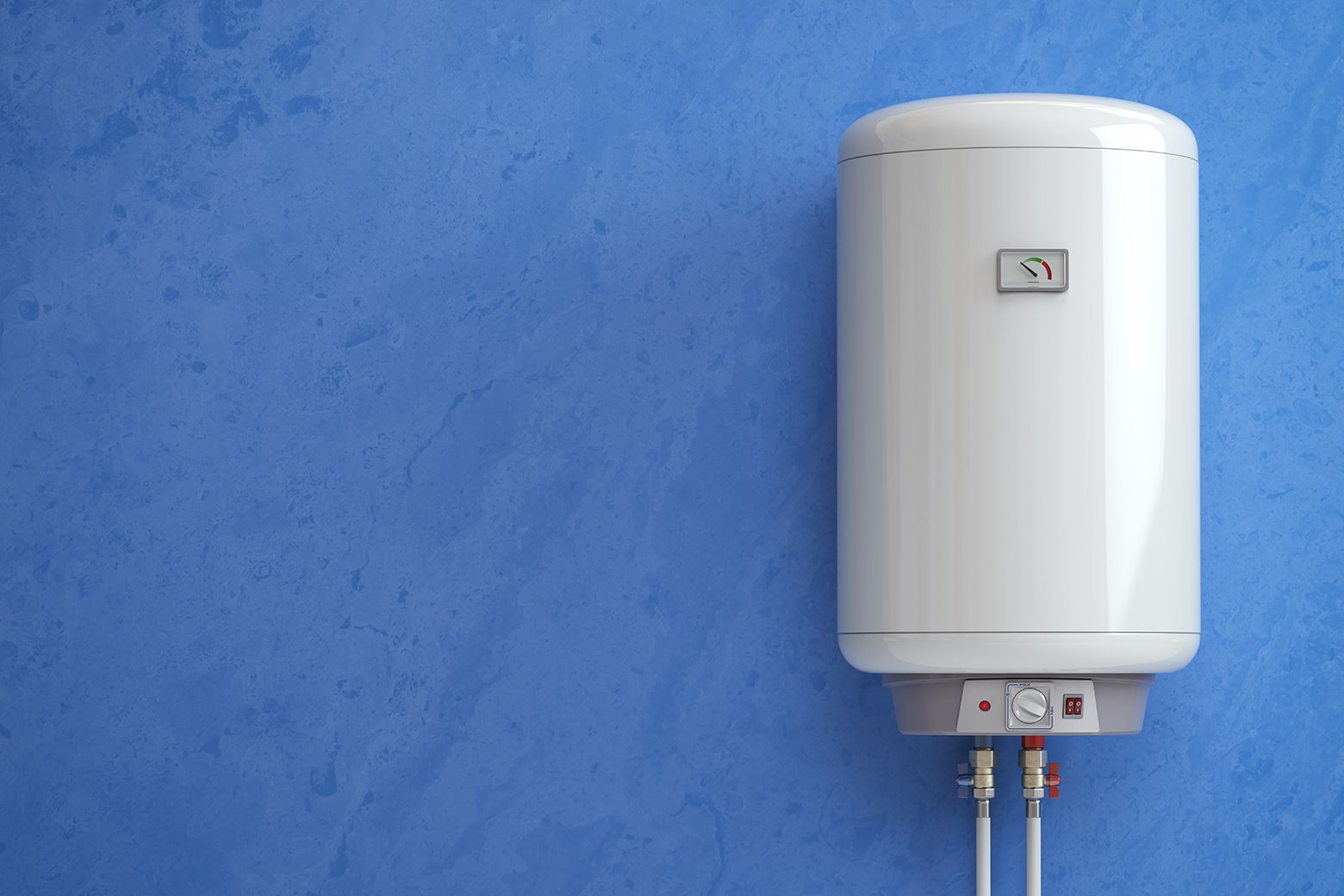
Electric boilers are becoming an increasingly popular choice for heating homes and businesses. They offer a clean, environmentally friendly alternative to gas and oil systems, and provide a variety of energy-saving benefits. However, Electric boiler costs per month (Kosten elektrische boiler per maand) is essential for anyone looking to optimize their budget and minimize energy usage.
This blog breaks down the key elements that influence electric boiler costs and provides insights into how you can maximize energy savings without compromising comfort or efficiency.
The Basics of Electric Boiler Operation
Electric boilers work by using electricity to heat water, which is then distributed through radiators or underfloor heating systems to warm a space. Unlike gas or oil boilers, they do not rely on burning fossil fuels, making them a sustainable and low-maintenance option.
The key factors contributing to their costs include electricity rates, the efficiency of the boiler, and the amount of energy required to heat your space.
Key Factors Affecting Monthly Electric Boiler Costs
Electricity Tariffs
Electricity tariffs significantly impact the operating costs of electric boilers. How much you pay per kilowatt-hour (kWh) of electricity directly affects your monthly expenses.
- Fixed-rate tariffs ensure consistent costs per kWh.
- Time-of-use tariffs allow you to pay less for electricity during off-peak hours.
By choosing the right energy plan, you can ensure your boiler operates more cost-effectively.
Energy Consumption
The amount of energy your boiler consumes depends on factors such as the size of your property, insulation levels, and the outdoor temperature. A well-insulated home requires less energy to maintain a comfortable temperature, reducing monthly costs.
Boiler Efficiency
Modern electric boilers are designed with high efficiencies of up to 99%, meaning they lose minimal energy during operation. Opting for an efficient model ensures that most of the electricity you pay for is converted to usable heat.
Usage Patterns
How often and how intensely you use your boiler can also impact costs. Regularly adjusting the thermostat and turning off the unit when not needed ensures you don’t waste energy.
Maintenance
Electric boilers may have fewer moving parts compared to gas systems, but regular maintenance is still crucial. A well-maintained boiler operates more efficiently, helping you reduce energy consumption over time.
Benefits of Electric Boilers
When considering monthly costs, it’s important to remember the broader benefits that electric boilers provide. Their advantages often translate into additional savings and improved quality of life.
Energy Efficiency
Electric boilers are highly efficient compared to their gas and oil counterparts. Their nearly complete conversion of electricity to heat ensures minimal energy waste, leading to lower bills over time.
Eco-Friendliness
By using electricity instead of fossil fuels, you reduce greenhouse gas emissions and contribute to a healthier environment. For homeowners interested in renewable energy solutions, combining an electric boiler with solar panels can further minimize reliance on non-renewable energy sources.
Reduced Maintenance Costs
Electric boilers require minimal upkeep as they lack components like burners and flues, which are common in gas systems. Their simple design significantly lowers the risk of breakdowns and repairs, saving money in the long run.
Versatility and Quiet Operation
Electric boilers are compact, lightweight, and adaptable for use in small or large spaces. Their noiseless operation ensures greater comfort without disturbance, making them an attractive choice for residential and commercial properties alike.