
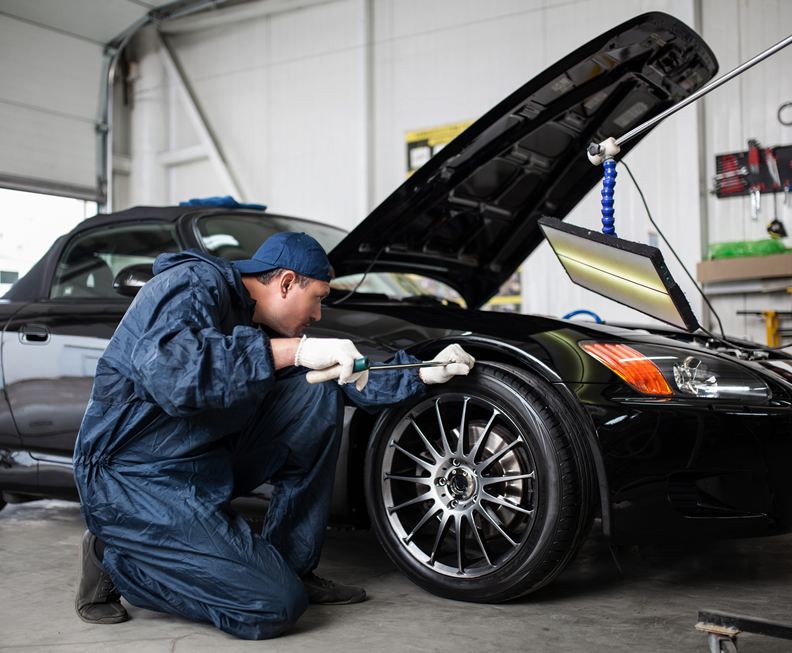
Vehicle collisions, while unfortunate, are an inevitable reality on the roads. After an accident, getting your vehicle back to its original condition often requires a comprehensive collision repair process. For those unfamiliar with how auto repairs work, understanding the steps involved can provide clarity and assurance during a potentially stressful time.
Whether it’s a minor dent or significant structural damage, understanding the collision repair process ensures you’re kept informed of what your vehicle undergoes to get back on the streets safely. Here’s an outline of the key steps in a complete collision repair process.
Initial Damage Assessment
The collision repair process begins with a detailed damage appraisal. A certified technician inspects your vehicle to identify both visible and hidden damage. Using advanced diagnostic tools, the focus is to determine the full extent of the damage. This step not only helps in estimating cost but also ensures any underlying issues that aren’t immediately noticeable are addressed, ensuring thorough and precise repairs.
Additionally, during this stage, photos and documentation are gathered to provide transparency on the damage assessments. This documentation is particularly vital for insurance purposes, helping get the necessary approval to proceed with repairs.
Disassembly and Further Inspection
Once the initial assessment is approved, the vehicle goes through a disassembly process. Technicians remove various parts, such as panels and bumpers, to inspect for hidden issues that weren’t visible during the first evaluation.
During this step, any additional damage uncovered is documented. At times, structural problems or other unforeseen damages become evident during disassembly. This additional information may result in updated repair estimates, providing more accuracy before proceeding to the next phase.
Structural and Frame Repair
For cars that have endured significant impact, restoring the frame or structural integrity is crucial. Specialized equipment, such as computerized frame alignment tools, is used to restore the vehicle’s measurements to their factory specifications.
While correcting structural damage, technicians conduct frame inspections for safety, ensuring no compromises can affect the car’s performance post-repair. This precision ensures the repaired vehicle aligns with both industry safety standards and manufacturer recommendations.
Body Repairs and Dent Removal
With the structural integrity restored, technicians repair external damages, such as dents, scratches, and damaged panels. Advanced tools and techniques, such as paintless dent repair (PDR), may be used to fix minor denting efficiently without disturbing the paintwork.
For severe damage, replacement parts may be installed to ensure a seamless fit. These parts are typically matched to your vehicle’s original specifications, maintaining both performance and aesthetics.
Painting and Refinishing
After the body repairs are complete, the vehicle moves to the paint and refinishing department. Technicians prepare the surface by sanding and priming the repaired areas to ensure a smooth base for painting.
Once prepped, computerized color matching technology ensures the new paint matches the vehicle’s original shade perfectly. After multiple layers of paint, technicians apply a protective clear coat for durability, giving the vehicle a polished, like-new finish.
Reassembly and Quality Inspection
Finally, the repaired parts are reassembled, and technicians perform rigorous checks to ensure everything is aligned. Lights, sensors, and other electrical components are tested to ensure they function properly. Windshield repairs or replacement and wheel alignments are also performed during this stage if needed.
After the assembly, the vehicle undergoes a final quality assurance inspection. Technicians ensure it meets safety and aesthetic standards, giving it a road-ready seal of approval.
Final Delivery
Once all the steps are completed, the vehicle is cleaned and prepared for final delivery. A summary of repairs is provided, allowing the owner to review the work conducted. With all quality checks passed, the vehicle is handed over, ready to hit the road again with all safety and functionality restored.
Whether dealing with small-scale damage or extensive repairs, these systematic steps ensure vehicles are restored to their original condition with precision and care, allowing you to drive with confidence once again.