
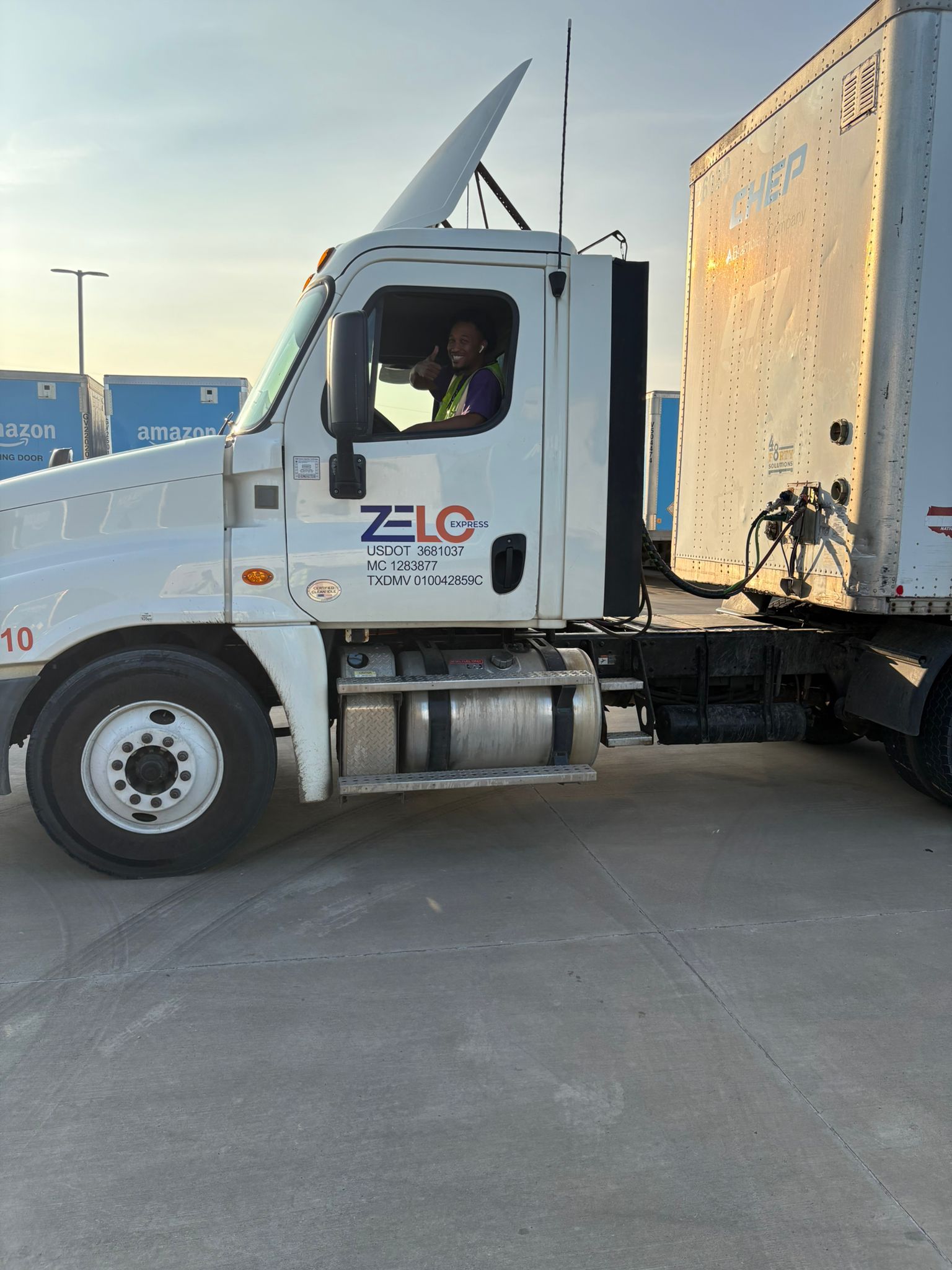
High-volume logistics environments demand precision, speed, and consistency to keep supply chains running efficiently. As distribution centres and warehouse facilities scale up operations, the need for intelligent movement of trailers, goods, and equipment becomes increasingly important. Recent logistics data indicates that facilities handling high shipment volumes experience up to 30% time loss when manual trailer movements are not properly coordinated. Shuttle and spotting services offer a solution by streamlining on-site transport, reducing idle time, and improving flow across busy yards.
What Makes Spotting Services Critical for Operational Efficiency?
Spotting services ensure that trailers are placed in the right docks at the right time, reducing delays and maximizing throughput. In high-volume operations, even a few minutes of misalignment can lead to loading bottlenecks, equipment congestion, and unnecessary labour costs. Statistics show that facilities using dedicated spotting services improve their dock utilisation rates by nearly 25%. This service plays a crucial role in maintaining rhythm across receiving, staging, and outbound activities, especially during peak periods where every movement matters.
How Do Smart Shuttle and Spotting Systems Work Together?
Both services complement each other to create a smooth, synchronized workflow. Shuttle services transport trailers or goods across different areas of a site, while spotting ensures each unit is positioned precisely where needed. When coordinated effectively, these services minimise downtime, reduce manual handling, and ensure that loading teams always have the right trailer available. Industry studies reveal that combining shuttle and spotting services can reduce turnaround time by up to 40%, giving facilities a measurable performance advantage.
What Technologies Are Driving Smarter Logistics Movements?
Modern logistics operations increasingly rely on digital tools to manage shuttle and spotting activities. Real-time tracking, automated scheduling systems, and data-driven movement planning have become standard in advanced facilities. These tools create visibility across the yard, allowing managers to monitor trailer positions, spot availability, and operational bottlenecks. Statistical insights show that facilities using digital yard-management solutions achieve better accuracy in movement planning and reduce routing errors significantly. These technologies also help allocate resources more effectively, ensuring consistent performance even during high-demand cycles.
How Do Smart Shuttle and Spotting Services Impact Workforce Productivity?
Efficient movement strategies directly support workforce productivity by reducing manual coordination. When shuttle units and spotters operate with clear instructions and real-time data, warehouse teams experience smoother workflows and fewer operational disruptions. Studies indicate that improved trailer coordination can reduce overtime hours and increase labour efficiency by nearly 15%. By eliminating guesswork and delays, facilities benefit from a more focused and streamlined workforce.
Why Should High-Volume Facilities Invest in Dedicated Movement Services?
Facilities dealing with large shipment volumes benefit significantly from structured and professional movement services. These services reduce risks associated with improper trailer handling, minimize downtime, and allow logistics teams to maintain a consistent operational pace. Data from logistics performance reviews shows that businesses investing in these services experience better safety outcomes, more predictable scheduling, and higher overall customer satisfaction. In a sector where time and precision matter, reliable movement services provide a competitive operational edge.
What Steps Can Facilities Take to Implement Smarter Movement Solutions?
Implementing smarter shuttle and spotting solutions begins with analysing current yard operations and identifying inefficiencies. Facilities can then deploy trained personnel, integrate digital management systems, and set clear movement protocols. Regular monitoring, combined with performance metrics, helps refine the process and maintain efficiency. Industry trends show that facilities that adopt structured movement strategies can scale operations more easily and maintain consistent performance during volume surges.
In conclusion, smart shuttle and spotting services play a crucial role in supporting high-volume logistics operations. By improving trailer flow, enhancing workforce productivity, and reducing operational delays, these services help facilities maintain efficiency and reliability. As logistics demands continue to grow, investing in structured and technology-supported movement solutions becomes essential for sustained performance and operational excellence.