
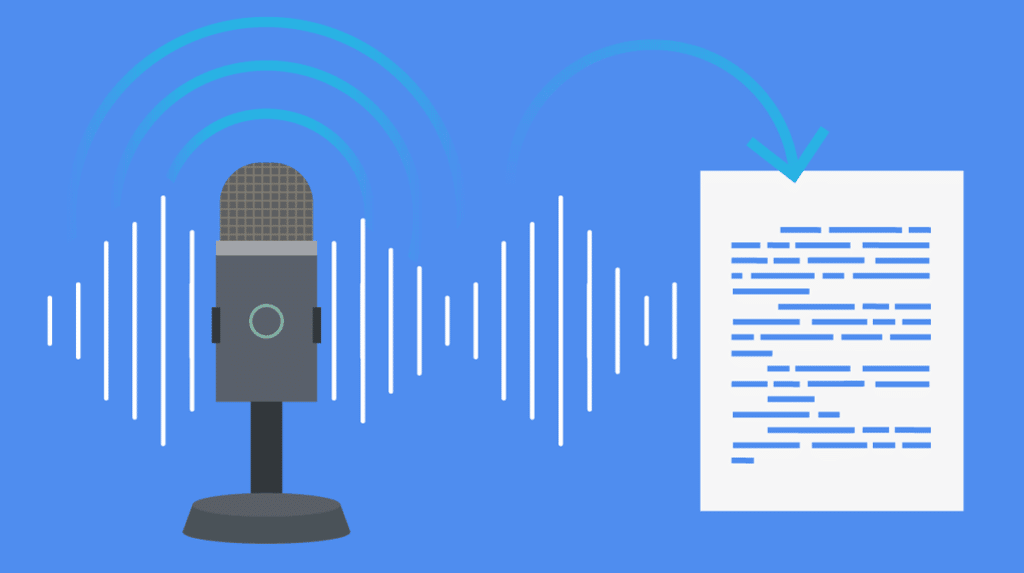
In our busy lives, we’re constantly capturing information through audio recordings. From important work meetings and university lectures to creative brainstorming sessions, these recordings hold valuable insights. However, finding a specific piece of information within hours of audio can be a challenge. This is where audio to text transcription comes in, offering a simple way to convert your spoken words into searchable, written content. Let’s explore the key benefits this technology brings.
What are the main advantages of converting audio to text?
Converting audio files into text makes your information more accessible and easier to use. Instead of listening through an entire recording to find a specific comment or data point, you can quickly scan a written document. This not only saves a significant amount of time but also allows you to easily copy, paste, and share important sections with others. A text document is also searchable, meaning you can use a simple keyword search to jump directly to the information you need.
How does transcription improve productivity?
Productivity gets a major boost when you’re not bogged down by manual tasks. Transcribing audio by hand is a slow and often tedious process. Studies have shown that it can take a person four to six hours to manually transcribe just one hour of audio. By using an automated service, you can get a complete transcript in a fraction of that time, freeing you up to focus on more important work. For professionals and students alike, this means more time for analysis, planning, and execution, rather than just listening and typing.
Can transcription help with accuracy and record-keeping?
Absolutely. Human memory isn’t perfect, and details from a conversation or meeting can easily be forgotten or misremembered. A written transcript provides a reliable, word-for-word record of what was said. This is incredibly valuable for maintaining accurate records, ensuring all team members are on the same page, and resolving any disputes about past discussions. For industries where detailed documentation is critical, such as law or journalism, a precise transcript is an essential tool.
How does it support people with hearing impairments?
Accessibility is one of the most significant benefits of transcription. For individuals who are deaf or hard of hearing, audio-only content can be a major barrier. Providing a written transcript ensures that everyone has equal access to the information being shared. This promotes a more inclusive environment in business, education, and media, allowing all individuals to participate fully without missing out on important details.
Is it possible to analyze spoken content more effectively with text?
Yes, converting audio to text opens up new possibilities for analysis. Once your audio is in a written format, you can use various tools to identify key themes, track the frequency of certain words, and gain deeper insights from the conversation. This is particularly useful for market researchers analyzing customer interviews or businesses looking to understand common feedback points from meetings. A text document allows you to see patterns and trends that might not be obvious when just listening.
Get More from Your Recordings
Embracing audio-to-text technology is a practical step toward working smarter, not harder. It enhances accessibility, improves accuracy, and saves you valuable time, allowing you to focus on what truly matters. By turning your spoken words into clear, usable text, you unlock the full potential of your recorded information and streamline your workflow.