In the global battle against plastic pollution, one of the most challenging adversaries has been low-density polyethylene (LDPE) film. This thin, flexible plastic is ubiquitous in packaging, from grocery bags to bubble wrap, yet notoriously difficult to recycle efficiently. However, a groundbreaking innovation has emerged: the ldpe film washing line. This transformative technology offers a beacon of hope in the quest for sustainable plastic waste management.
The LDPE Conundrum
LDPE film presents a unique set of challenges in the recycling landscape. Its lightweight nature and widespread use result in vast quantities of waste, much of which ends up in landfills or polluting our oceans. Traditional recycling methods struggle to effectively process LDPE film due to its propensity for contamination and degradation. Food residue, dirt, and other plastics cling to the surface, rendering it unsuitable for conventional recycling processes.
Enter the LDPE Film Washing Line
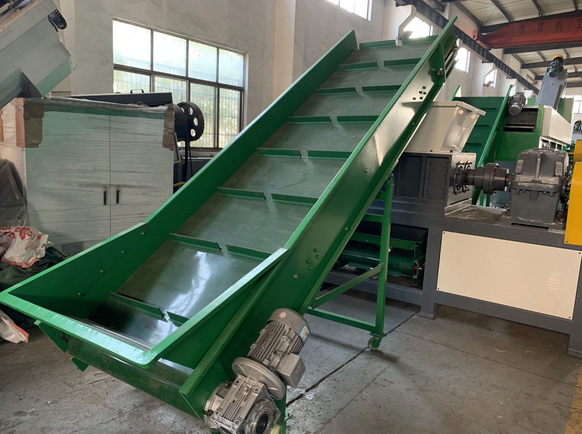
The LDPE film washing line represents a paradigm shift in plastic recycling. This advanced system employs a combination of mechanical and chemical processes to transform used LDPE film into high-quality recycled material. At its core, the washing line is a comprehensive solution designed to clean, decontaminate, and repurpose LDPE film, turning waste into a valuable resource.
Key Components and Processes:
- Sorting and Shredding: Incoming LDPE film is sorted to remove contaminants and non-LDPE materials. The sorted film is then shredded into smaller pieces, increasing surface area and facilitating the subsequent cleaning process.
- Washing and Decontamination: The shredded LDPE undergoes thorough washing in multiple stages. Water, detergents, and mechanical agitation work in tandem to dislodge contaminants and impurities from the surface of the film. This step is critical in ensuring the quality and purity of the recycled material.
- Separation and Drying: Cleaned LDPE flakes are separated from water and residual impurities using various separation techniques. The separated flakes are then dried to remove moisture, preparing them for further processing.
- Pelletization: The dried LDPE flakes are extruded and pelletized into uniform pellets. These recycled pellets serve as raw material for a multitude of products, including new packaging materials, construction products, and more.
Environmental and Economic Impacts
The LDPE film washing line offers a range of environmental and economic benefits:
- Waste Reduction: By enabling the efficient recycling of LDPE film, this technology reduces the burden on landfills and helps prevent plastic pollution in our oceans and environment.
- Resource Conservation: Recycling LDPE film conserves valuable resources by diverting waste from landfills and reducing the demand for virgin plastics. This helps minimize energy consumption and greenhouse gas emissions associated with plastic production.
- Economic Opportunities: The establishment of LDPE film washing lines creates jobs in the recycling industry and stimulates demand for recycled materials. Companies utilizing recycled LDPE pellets benefit from cost savings and improved sustainability credentials.
Conclusion: Toward a Sustainable Future
In the quest for a more sustainable future, innovations like the LDPE film washing line are crucial. By turning waste into a valuable resource, this technology offers a tangible solution to the plastic pollution crisis. As awareness grows and demand for sustainable practices increases, investment in LDPE film washing lines will play a pivotal role in shaping a cleaner, greener world. With continued innovation and collaboration, we can build a future where plastic waste is no longer a problem but a valuable opportunity for resource conservation and environmental stewardship.